Using Bio-Utility to Treat Wastewater
1.1 Bio-Utility: The Definitive Solution for Microbial Water and Waste Remediation Bio-Utility is the revolutionary answer to chemical dependency in municipal, industrial, and agricultural waste management.
This product is a 100% natural, environmentally friendly, living, microbial-based liquid that provides the most effective biological alternative to harsh chemicals and caustic solvents. We deploy specialized, naturally occurring bacteria—including highly effective strains like Bacillus, Nitrobacter, and Pseudomonas—to actively eat, digest, and naturally degrade complex organic contaminants.
Guaranteed performance in the harshest environments.
Bio-Utility is engineered for unparalleled effectiveness and versatility, ensuring decisive action across critical sectors:
Industrial Strength: Successfully treats water polluted by demanding operations, including oil spills, distilleries, breweries, and gold-mining.
Municipal & Residential: Eliminates foul smells and achieves verifiable reductions in Biochemical Oxygen Demand (BOD) and Chemical Oxygen Demand (COD) in municipal and residential wastewater, making water recycling easier and safer.
Unrivaled Resilience: Manufactured using a robust sugarcane molasses base, the specialized cultures within Bio-Utility can flourish and multiply even in highly adverse and acidic conditions (as low as pH 4), guaranteeing reliable performance where conventional systems fail.
Bio-Utility is not just waste treatment; it is total environmental restoration delivered without a drop of chemical harm.
1.2 Micro-organism Ingredients
Bio-Utility is a very concentrated microbial liquid, with a heavy concentration of the following micro-organisms and others:
Bacillus, Nitrobacter, Nitrosomonas, Pseudomonas, and others. Other micro-organisms can be added according to the need or problem.
1.3 It Eliminates Foul Smells
Bio-Utility restores the beneficial bacteria population in the wastewater and increases the biological activity. The micro-organisms break down the chemicals in the wastewater into different forms, which are then made harmless or are consumed by the micro-organisms.
The smell disappears as the chemicals in the wastewater are consumed by the micro-organisms in Bio-Utility. Foul smells arise from a lack of Oxygen and by the slow decay of organic matter in the water.
The strong concentration of aerobic and anaerobic micro-organisms in Bio-Utility is very effective in breaking down organic matter and cleaning the waste water.
The enzymatic and bacterial action removes the source of the smell problems.
It removes foul smells from drains, ponds, golf course lakes, and wastewater lagoons.
It degrades solid wastes (such as in portable toilets and sceptic tanks) and eliminates foul smells.
It prevents blocking and foul smells in bathroom and kitchen drains.
It eliminates foul smells from kitchen exhausts.
It degrades biologically the organic deposits in grease traps.
1.4 Where It Can Be Used
Distilleries, sugar mills, and breweries.
Factory wastewater treatment.
Oil industry wastewater treatment plants.
Treatment of lakes and ponds, including on golf courses.
Shrimp farms.
Household and commercial property drains, drain pipes, and septic tanks.
Residential wastewater treatment.
Hotels and restaurants.
2. How Does Bio-Utility Treat Wastewater?
Bio-Utility: Advanced Biological Wastewater Remediation
2.1.1 The Most Economical & Sustainable Option
When confronting wastewater characterized by a high concentration of dissolved organic matter, biological remediation stands as the most competitive and efficient option. Bio-Utility’s microbial foundation offers unparalleled simplicity and dramatically lower operating costs compared to complex chemical or mechanical systems.
Superior Effluent Treatment: The biological removal of biodegradable organic matter, alongside essential nutrient reduction (including Nitrogen and Phosphorus), is the most economical and ecologically sound method for treating high-volume effluents.
The Biocide Challenge: The primary limitation to conventional biological treatment is the introduction of substances like Chlorine (biocides), which inhibit the growth of the necessary microorganisms. Bio-Utility is engineered to overcome these common inhibitors by introducing highly resilient, effective microbial cultures.
2.1.2 Dual-Action Metabolism: Aerobic and Anaerobic Efficiency
The microorganisms within Bio-Utility possess dual-action metabolic pathways, allowing them to degrade organic matter under all operational conditions, maximizing treatment efficacy across the entire water volume.
Aerobic Superiority: When oxygen is available (aerobic conditions), the microorganisms prioritize this pathway, utilizing oxygen to grow and multiply with maximum energy yield for rapid waste consumption.
Anaerobic Resilience: Crucially, this metabolic versatility allows for continued cleaning in oxygen-deprived zones, such as wastewater sludge at the bottom of a tank or lagoon. The anaerobic pathway is activated in these conditions, ensuring that degradation continues—albeit with a lower energy yield—to process sludge and stubborn contaminants.
This comprehensive biological action yields measurable, high-impact results:
Guaranteed Reduction: Significant reduction of Biochemical Oxygen Demand (BOD) and Chemical Oxygen Demand (COD).
Odor Elimination: Effective wastewater smell control achieved by eliminating the source of decomposition.
2.2 Bio-Utility Provides Aerobic Wastewater Treatment
Aerobic wastewater treatment, or biological oxidation wastewater treatment, is based on the ability of microorganisms to degrade organic matter by using Oxygen as an electron acceptor. This allows the cells to achieve high energy yields, which leads to the production of a significant generation of sludge. The aeration provides Oxygen to the bacteria and other organisms as they decompose organic substances in the wastewater and precipitate the sludge.
Bio-Utility has bacteria, which work aerobically and clean water in activated sludge and lagoon wastewater treatment systems, among others. This biological process can be used for oxidizing carbonaceous biological matter, oxidizing nitrogenous matter (mainly Ammonium and Nitrogen in biological matter), removing nutrients (Nitrogen and Phosphorus), and for producing activated sludge.
2.3 Activated Sludge Treatment
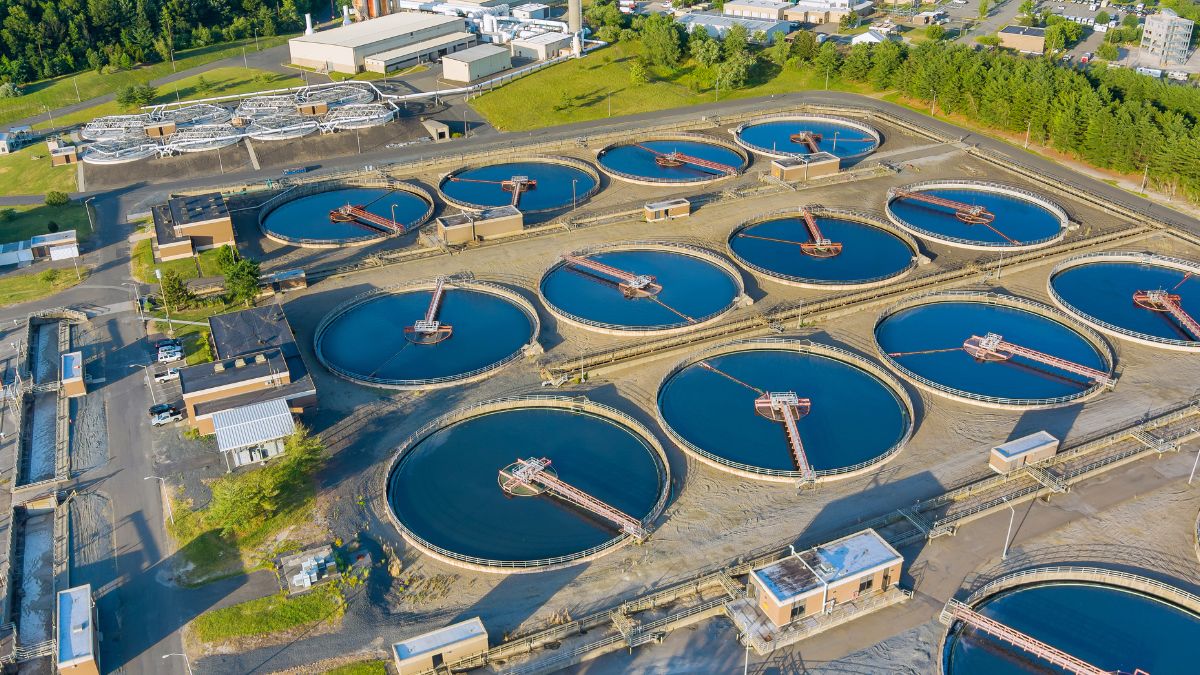
Bio-Utility will work well in activated sludge treatment, which is one of the most efficient ways to treat wastewater biologically. At the start of the activated sludge process, wastewater moves into an aeration tank that is pumped full of Oxygen. Aerating the wastewater increases the microbial growth of the bacteria in Bio-Utility, and this speeds up the decomposition of the organic matter that is in the water.
Then this wastewater is transferred into a clarifier / settling tank, and the sludge in the water starts to separate leaving only the clean and treated water. The sludge in the settling tank is then returned to the aeration system with the new wastewater entering the aeration tank and is treated again with the microorganisms in Bio-Utility.
2.4 Advanced Anaerobic Wastewater Treatment (Sludge Digestion)
Bio-Utility is engineered for comprehensive waste management, incorporating robust bacterial strains that thrive anaerobically. This capability is essential for dealing with the most concentrated and challenging forms of organic contamination:
Targeted Sludge Remediation: The powerful anaerobic bacteria within Bio-Utility are strategically utilized to treat and digest organic material in an Oxygen-free environment. This is critical when processing excess activated sludge or the highly concentrated sludge layer accumulated at the bottom of a wastewater treatment lagoon.
High-Concentration Efficiency: Anaerobic bacteria are highly beneficial and necessary in the treatment process, especially when managing highly concentrated wastewater streams that would overwhelm aerobic-only systems.
Sludge Reduction and Stabilization: Typically, excess activated sludge—which must be regularly removed to maintain the correct food-to-microbe ratio—is combined with primary sludge. Bio-Utility’s anaerobic action provides further, specialized microbial sludge treatment through efficient anaerobic digestion, resulting in reduced sludge volume and stable, environmentally safe byproducts.
2.5 The Core Strength of Bio-Utility
2.5.1 Microbial Resilience and Purity
Bio-Utility is a 100% natural, environmentally friendly, chemical-free, non-pathogenic, living, microbial-based product engineered for maximum stability and performance.
Purity: It strictly uses naturally occurring and beneficial bacteria—with no harmful chemicals—to aggressively digest waste and organic contaminants.
Resilience: The specialized bacterial cultures thrive even in highly adverse conditions. They can tolerate acidic conditions (such as a pH of 4), ensuring the microbes continue to flourish and multiply where other treatment substances fail.
Targeted Action: It provides a highly effective biological alternative to aggressive chemicals and caustic solvents, reducing the need for dangerous and environmentally damaging inputs.
2.5.2 The Dual Mechanism of Action
Bio-Utility achieves exceptional results by using biological wastewater treatment that harnesses multiple metabolic pathways:
Microbial Digestion: Microorganisms (bacteria) within Bio-Utility naturally degrade and consume organic waste through two highly efficient processes:
Aerobic Treatment: Utilizes Oxygen when present (e.g., in upper water layers) for high-energy growth and rapid waste consumption.
Anaerobic Treatment: Activated in Oxygen-free environments (e.g., sludge at the bottom of lagoons) to treat and digest highly concentrated organic matter, including activated sludge.
Guaranteed Outcomes: This integrated biological action yields measurable, high-impact results:
Significant Biochemical Oxygen Demand (BOD) reduction.
Measurable Chemical Oxygen Demand (COD) reduction.
Effective wastewater smell control achieved by eliminating the source of decomposition.
2.5.3 Comprehensive Applications
Bio-Utility’s effectiveness spans an exceptionally wide array of challenging commercial, industrial, agricultural, and residential applications:
Municipal & Industrial: Highly effective in large municipal wastewater facilities and complex industrial effluent, including water polluted by oil, distilleries, breweries, and gold-mining operations.
Aquaculture: Provides a chemical-free solution for ensuring purity and managing waste in shrimp and fish farms.
Ecosystem Restoration: Capable of cleaning contaminated lakes and ponds, restoring their natural microbial health.
2.6 The Core Effectiveness of Bio-Utility: Enzyme-Driven Degradation
The Bacteria: Self-Regulating Enzyme Factories
Bio-Utility provides a heavy and highly active concentration of specialized microorganisms designed for industrial-strength wastewater treatment.
Enzyme Production: As these bacteria metabolize, grow, and divide, they function as living bio-factories that continuously produce a torrent of powerful enzymes essential for breaking down complex organic matter.
Targeted Intelligence: The system is self-regulating. The enzymes produced by the bacteria are specifically appropriate to the environment and the waste material present. This guarantees the automatic and immediate production of the exact enzymes required for the biological reduction of any given waste material, ensuring maximum efficiency from the moment Bio-Utility is introduced.
2.7 The Catalytic Power of Enzymes
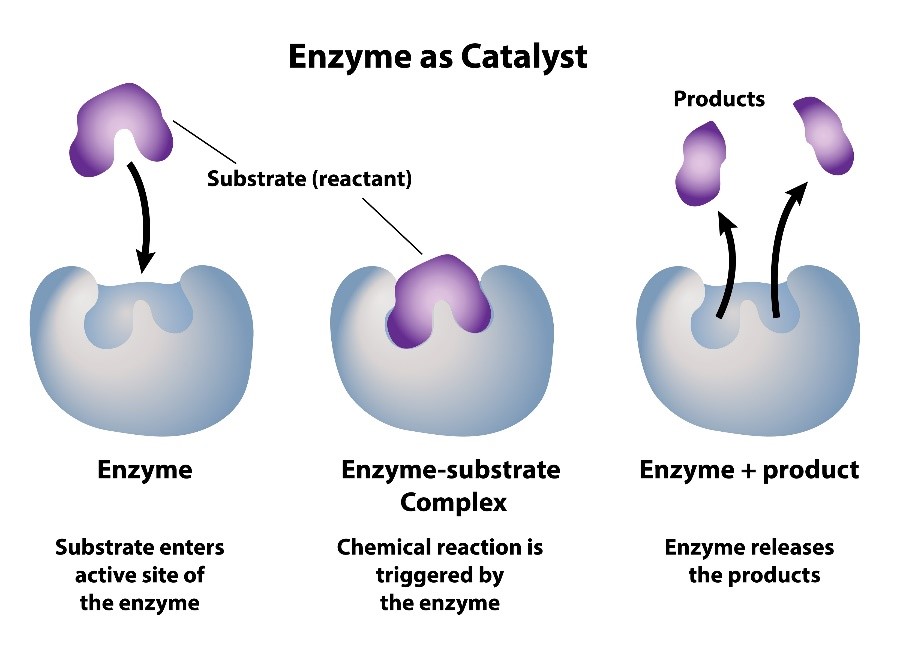
Enzymes are the organic catalysts that drive the entire biochemical reaction sequence in the waste degradation process.
Catalytic Action: Enzymes initiate the breakdown reactions. After causing the reaction, the enzyme is released unchanged and ready to immediately catalyze thousands of subsequent reactions. This rapid, cyclic action ensures that the degradation process is sustained and highly efficient.
2.8 Complete Consumption of Organic Matter
The combined action of enzymes and bacteria ensures the complete and total consumption of organic pollutants:
Preparation: The enzymes first execute the complex task of breaking down large, insoluble organic matter into simple, water-soluble nutrients.
Consumption: These soluble nutrients are then immediately digested by the bacteria. This bacterial digestion process is the final step that consumes the organic matter entirely.
Energy and Purity: Using complex chemical reactions, the organic waste is metabolized down to harmless byproducts, primarily water and Carbon Dioxide. This action provides the bacteria with energy for their continued growth and reproduction, sustaining the cleaning process indefinitely.
2.9 The Result: Instant Waste Elimination and Purity
The combined, symbiotic action of enzymes and microbes delivers immediate and decisive environmental restoration:
Instant Decomposition: The powerful enzymes instantly begin to decompose the organic waste, rapidly neutralizing pollutants.
Total Degradation: The microorganisms in the formula then totally degrade the decomposed waste through biological oxidation, ensuring no pollutants remain.
Because the organic waste is consumed and metabolized by the bacteria, it is physically no longer present to produce odours, generate excessive sludge, cause pollution, or create unsightly mess. Bio-Utility delivers lasting purity by eliminating the source of the contamination.
3. The Use of Chlorine
It is estimated that biological treatments can remove up to 90% of wastewater’s contaminants. Because all of the contaminants have not been removed, the wastewater is usually sent through a tertiary treatment process after the biological treatment. During this stage, heavy metals, nutrients, and other impurities are removed from the wastewater.
The most common type of tertiary treatment involves the use of chlorine. However, in a biological wastewater treatment system, Chlorine is a biocide and kills off the bacteria, which treat the wastewater.
4. Using Lime and Limestone
Lime (Calcium Oxide), which is made from limestone, can be used to improve the wastewater treatment by raising the pH of the water to a level in which microorganisms work most effectively. Lime is commonly used in industrial wastewater treatment as this website shows: https://www.calcinor.com/en/news/2017-03-16/functions-lime-water-treatment/
If the wastewater in the wastewater treatment plant is acidic, adding lime to the treatment ponds will raise the water’s pH to around pH 7. Once the ph is around this level, then Bio-Utility can be added. Why not before? Even though the bacteria in Bio-Utility can multiply in very acidic wastewater, the bacteria will be most effective when the pH is about 7. They will also multiply more rapidly at a neutral pH. The aerators can be used before the water has a pH of 7, but they should certainly be used when the pH is 7 and Bio-Utility has been added.
If the wastewater contains a heavy load of phosphates, then placing limestone chips in a filter or adding it to the wastewater will remove most of the phosphorus. The literature shows that about 85% can be removed by adding limestone alone. Bacterial action will support the process of precipitation of the phosphates.
By using a limestone filter to remove phosphorus from the inflow stream, the wastewater treatment plant will also see a very noticeable decrease in phytoplankton production and more transparency in the water.
5. How to Apply Bio-Utility in Wastewater Treatment in a Lagoon Pond
5.1 A Sample Situation
A wastewater treatment water pond is full of municipal wastewater with a size of 120 meters x 85 metres x 2 metres = 20,400 cubic metres of water.
5.2 The Standard Dosage
The wastewater is at Level 1. (Household Wastewater)
1 litre per 500 – 1,000 cubic metres of water.
The wastewater is at Level 2. (Mildly-Smelling Wastewater)
1 litre per 300 – 500 cubic metres of water.
The wastewater is at Level 3. (Putrid and Foul-smelling Wastewater)
1 litre per 100 – 300 cubic metres of water.
5.3 Normal Guidelines
For normal conditions when the wastewater is not smelly, mix 1 litre of Bio-Utility with every 500 cubic metres of water every 2 weeks. If the condition of the water is very bad, mix 1 litre of Bio-Utility with every 100 cubic metres of water and apply it every 2 weeks.
Once the smell has gone and the condition of the pond is good, maintain it with 1 litre of Bio-Utility with every 500 cubic metres of water every 2 weeks.
5.4 Spray Bio-Utility Mixed with Water Over the Pond
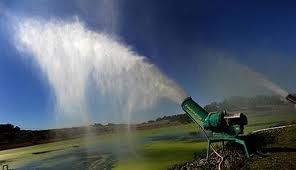
Add the mixture to the pond by spraying it over the surface. The aerators will spread it around the pond. Apply it once every 2 weeks.
5.5 How Can You Treat the Wastewater Pond?
Add the mixture to the pond by spraying it over the surface of the lagoon. The aerators will spread it around the pond. If you cannot spray the mixture, pour the Bio-Utility into the wastewater as it flows into the pond.
5.6 Using Multiple Ponds
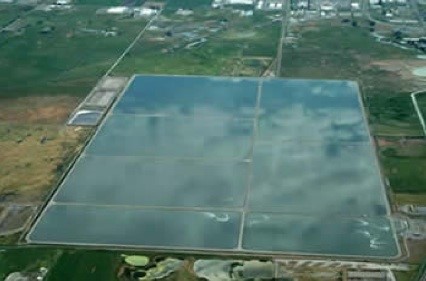
Because wastewater is continually pouring into the main treatment pond, ideally the wastewater should be moved to another pond every 30-35 days, where the treatment can continue. Continue to add the mixture to the pond by spraying it over the surface. The frequency can be changed, if the smell has gone.
5.7 Dosage of Bio-Utility
1 litre per 500 cubic metres, if the condition of the water has an ordinary level of smell as opposed to a putrid smell. In this case, use 1 litre per 100 litres of wastewater and apply this every 2 weeks. It takes 30-35 days to clean the waste water properly and this is the usual length of time.
If you aerate the lagoon with aerators, this period of time can be reduced, probably to 21 days. If the treatment plant wants to release the water in a shorter period of time, then it should analyse the water after 7, 10, 14 days to see if the cleanliness is at a level allowed by law or at a level, which it feels satisfied with.
6. Oxygenating the Waste Water
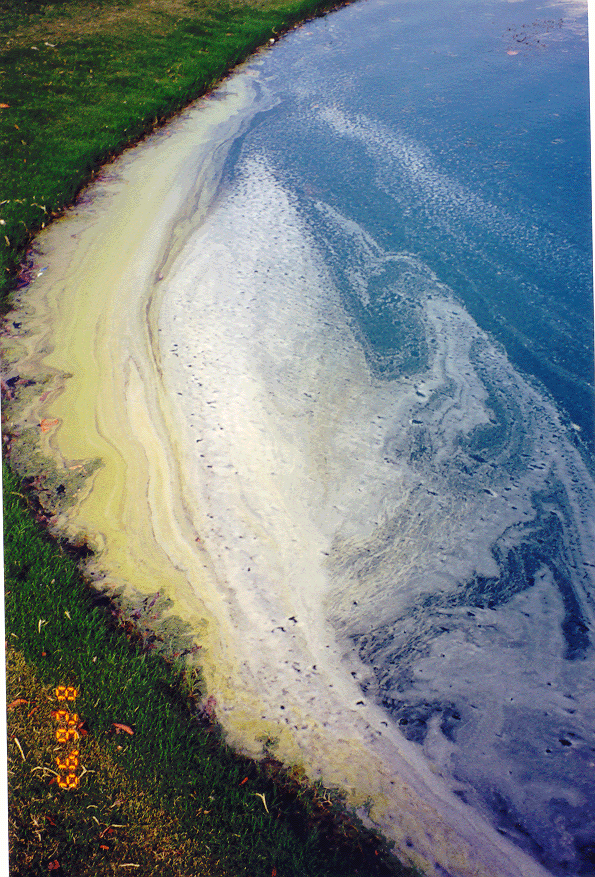
6.1 A Poorly Oxygenated Pond
6.2 Use Aerators As Well
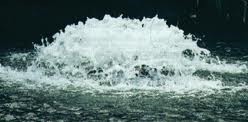
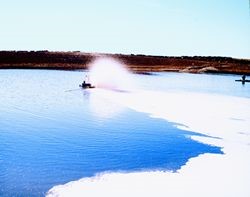
Set up moving paddle aerators that move down each side of the pond to create water circulation and movement, and to oxygenate the wastewater. The aerators also stir up sludge so that it floats up. This gives Bio-Utility’s micro-organisms the opportunity to break down the organic matter. This will speed up the treatment and recovery process.
6.3 Increase the Oxygen Content
This introduction of increased Oxygen levels has two positive effects:
Increased levels of Oxygen in the water cause the decomposition of organic matter to occur faster, thus limiting the amount of nutrients available, and creating clearer water.
Increased amounts of Oxygen also remove other gases like Carbon Dioxide.
6.4 Paddle Aerator Oxygenation
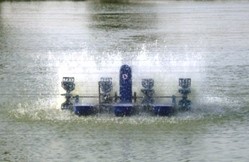
6.5 Lagoon Paddle Aerator Action
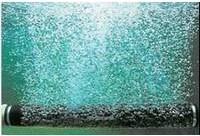
6.6 Use Underwater Oxygen Diffusers As Well
Increase the amount of Oxygen being supplied to the water by installing underwater diffusers. If the condition of the wastewater is very serious, then you should start the recovery process with some lime.

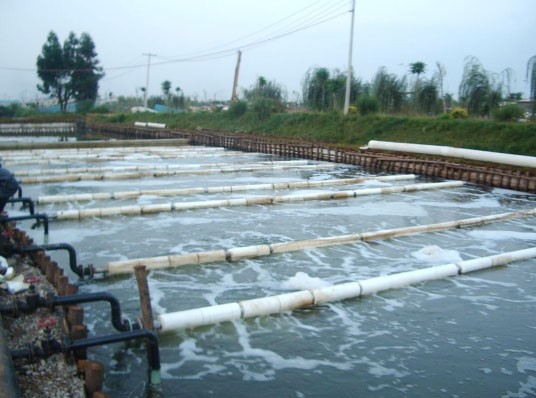
6.7 Micro-pore Aeration
7. Decisive Treatment of Household and Community Wastewater
-
The implementation of conventional, centralized wastewater treatment systems is often economically unviable and institutionally unsustainable for many municipalities, particularly in rapidly growing urban centers and underserved rural areas. Bio-Utility offers the essential, powerful solution by enabling robust, scalable decentralized treatment.
The Decentralized Advantage
-
Bio-Utility is perfectly suited for decentralized wastewater management, defined as the collection, treatment, and disposal or reuse of effluent from individual homes, clusters of communities, or isolated facilities—treating the waste at or near the point of generation.
-
Solving the Infrastructure Crisis: In areas where conventional treatment plants are underutilized due to poor sewage networks, or where facilities are non-existent (especially in rural areas), Bio-Utility ensures that wastewater does not end up untreated in drains and water bodies.
-
Economic Viability: Analysis confirms that implementing conventional collection and disposal systems is often beyond the financial and institutional means of most municipalities. Decentralized systems powered by Bio-Utility are therefore the most sustainable, cost-effective, and practical alternative for achieving national sanitation goals.
Immediate System Integration
-
Bio-Utility’s versatile microbial formula can be used immediately to enhance and optimize all common decentralized treatment systems:
System Type |
Examples |
Bio-Utility’s Role |
Tank Systems |
Septic, Imhoff, and Baffled Treatment Tanks |
Accelerates organic digestion, reduces sludge volume, and eliminates odors at the source. |
Pond Systems |
Anaerobic, Facultative, and Maturation Ponds |
Optimizes the microbial health across all zones, ensuring effective treatment even in low-oxygen sludge layers. |
-
By leveraging Bio-Utility in decentralized systems, governments can achieve immediate, scalable, and economically viable wastewater treatment, protecting public health and vital water sources across communities.
8. Treating Household Wastewater
-
Bio-Utility can be used to treat wastewater in households and communities where there is no centralized wastewater treatment system. In these places Bio-Utility can be used to treat the wastewater in decentralized treatment systems.
-
Example Situation: In Ghana only a small portion of the wastewater from the urban cities is collected for treatment. The bulk ends up in drains and nearby water bodies. Conventional treatment plants are underutilized due to poor sewage network in the cities where they are located. In many regional capitals, treatment facilities are few and even non-existent in some towns. The rural areas have no means of treating the wastewater produced. Small scale or decentralized systems of wastewater treatment are a way to solve these problems both in the big cities and small villages in Ghana and the west African sub-region as a whole.
-
Analysis of information shows that implementation of conventional wastewater collection, treatment and disposal systems is not economically viable as the financial and institutional resources coupled with the efficiency required for their maintenance are beyond the means of most municipalities in Ghana. Decentralised systems will therefore be more sustainable than the conventional methods.
-
Decentralised wastewater management may be defined as the collection, treatment, and disposal or reuse of wastewater from individual homes, clusters of homes, isolated communities, industries or industrial facilities, as well as from portions of existing communities at or near the point of waste generation. Bio-Utility can be used to treat the wastewater in decentralized treatment systems.
-
Examples of decentralized wastewater treatment systems are:
-
Tank Systems: These are the Septic, Imhoff, and Baffled Treatment Tanks.
-
Pond Systems: These consist of Anaerobic, Facultative, and Maturation Ponds.
-