How to Use Belta Probiotics
General Guidelines
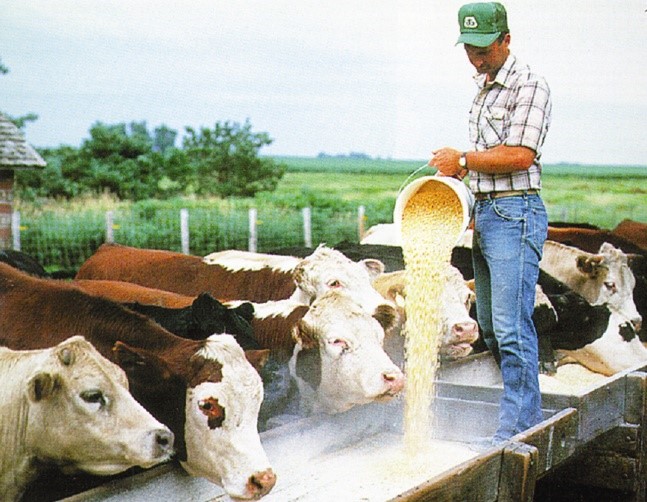
Belta Probiotics is a liquid. When mixing it with animal feed the easiest way is to pour out the animal feed onto a plastic sheet, spread it out thinly, spray Belta over the animal feed, and then mix it altogether with a spade or rake. If you cannot spray it, then pour it thinly over the animal feed that has been spread out already, and then mix it altogether.
Method 1 – Mix it with Animal Feed
Mix 5 cc with 1 kg of animal feed.
Mix 1 litre with about 300 kgs of animal feed.
Method 2 – Mix it with Drinking Water for the Animals
Mix 100 cc with 100 litres of water.
Amount Needed for Animals the Size of Sheep, Cows, or Pigs
Each animal will need 1 x 500 cc bottle for its life (about 6 months).
For example, 70,000 animals = 70,000 x 500 cc bottles. Or 35,000 x 1 litre bottles.
70,000 bottles = 3.5 x 20-foot containers.
500 cc Size: 1 container holds 1,000 cases x 20 cc bottles = 20,000 bottles.
1 litre Size: 1 container holds 612 cases x 20 bottles = 12,240 bottles.
Feeding Chickens
Method 1: Drinking Water Mixed with Belta
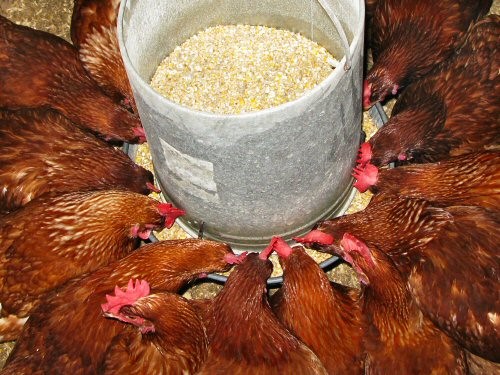
Mix Bio-Plant 5 cc with 5 liters (5,000 cc) of water. This can feed 1,000 chickens per time.
Feed them like this 3-4 times per day, about 3-4 hours apart. The same as a doctor gives you medicine to take 3 times per day.
Method 2: Belta Mixed with Chicken Feed
Mix 5 cc with 1 kg of animal feed per day.
Question: Old chickens cannot finish 1 kg of feed in a day. Can I keep the remaining feed closed till the next two or three days after mixing with Belta? If not, how many cc’s of Belta can I mix for one chicken every day?
Answer: After making the mixture, use it to feed the chickens right away. You cannot keep it over a day. Make the mixture every time you feed the chickens. You cannot keep the feed after mixing. Make it for immediate use.
Commonly Asked Questions
1. If Belta is used by mixing it in water, how long can we keep that water in the open air?
The farmer must use the water the same day.
2. Will the microbial activity in Belta start when we put it in the water or will it start in the stomach of the animal?
When Belta is mixed with water, the microbial activity will start to work at once.
3. Can we mix Belta in water and then spray it on the feed?
The farmer can mix Belta with animal feed in the same dosage of water quantity. For example, if you wish to mix 1 litre of Belta with the animal feed, then mix the litre with 1 litre of water before applying it.
4. When can I start using Belta with animals?
You can start to mix it with water or animal feed from when the animal is a baby.
5. Can I apply Belta directly into the mouth without water? If so, how much?
In the event that there is no controlled farming and the cows graze in the open, you can apply Belta directly into the mouth of the animal mixed with or without water.
If there is no water trough, the farmer should put 10 cc of Belta straight into the mouth, with or without any water. This applies to large animals, such as cows and buffalos.
Apply this amount at each feeding time.
In the case of smaller animals, such as goat and sheep, a farmer should put 5 cc (one teaspoon) of Belta straight into the mouth, with or without water.
6. How long will it take to get the results from the animal using Belta?
The results will start to appear as the digestion process improves, which will be quick. We cannot say exactly how long it will take, but the effects will soon appear in a higher milk yield. We can only assure you that the difference will be seen.
7. Type of Feed: a) Fibre Feed b) Concentrated Feed
What kind of feed do you think Belta will work better with?
It does not matter which kind the farmer uses with Belta. Belta is going to improve the digestion and absorption of minerals, protein, etc., and this will increase the rate of growth of the animals.
8. What will be the increase in the growth and weight of the animal, and in the milk yield?
Farmers often get 15% increase in weight. Belta Probiotics will increase the food intake and the amount digested. We can only say that the volume of milk will increase, but we cannot say how much. It varies between 5% and 20%. The increase will only take a few days to appear. Belta will give the carcass a higher grade. The probiotic bacteria divert hydrogen metabolism from methane production (which is wasteful of carbon) to acetogens (production of acetate), which results in reduced methane emissions and an increased transfer of carbon from the animal’s feed into its growth.
9. Why are there much fewer flies that attack animals using Belta?
It is caused by a change in the smell of the cows that results from the cows becoming healthier. Belta improves the immune system and health of the cows. Also the fecies smells a lot less.
The probiotic bacteria inhibit harmful intestinal bacteria, primarily in the hindgut, which make the fecies smell. The probiotic bacteria renders the intestinal environment less favourable for the growth of coliforms. As a result, the cows create much less of a smell, just like a person who is healthy does not give off a smell.
10. What are the kinds of test results that farmers get with Belta?
In short, usually the weight increases about 15%; the animals are healthier and do not seem to fall ill, which reduces medical bills; the milk yield increases; their fecies are not smelly; the cows do not seem to give off a smell that attracts insects; and the carcass gets a higher grade. As a result, the farmer’s costs drop and revenue increases. The percentage increases depend on how long the cows have been using Belta. The benefits become more noticeable the longer the animals use Belta.
11. How much will the increase in growth rate be?
We do not want to over-claim. We have received different results from people trying out Belta with cows, pigs, and chickens ranging from 15% – 25%. Possibly some people are not using Belta as well as they could. The minimum should be 15% – 20%.
12. How can I use Belta with crabs in a pond?
The basic guidelines below apply. If the ponds are reasonably small you might also like to mix Belta with the pond water for extra effect regarding the growth rate and keeping the crabs free of disease.
Method 1 – Mix it with the Feed
Mix 5 cc with 1 kg of feed.
Mix 1 litre with about 300 kgs of feed.
Method 2 – Mix it with the Pond Water
Mix 5 cc – 10 cc with 100 litres of water.
You can start to mix it with water or animal feed from when the crabs are very small.