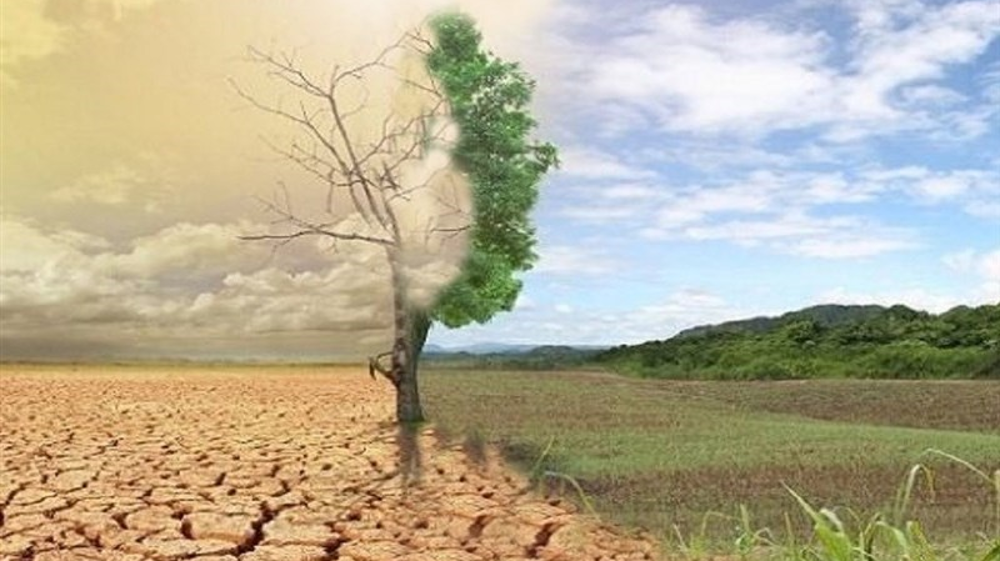
Using Bio-Utility to Turn Desert into Soil
Greening the Desert by Using Bio-Plant to Create Soil from Rubbish
1. The Concept
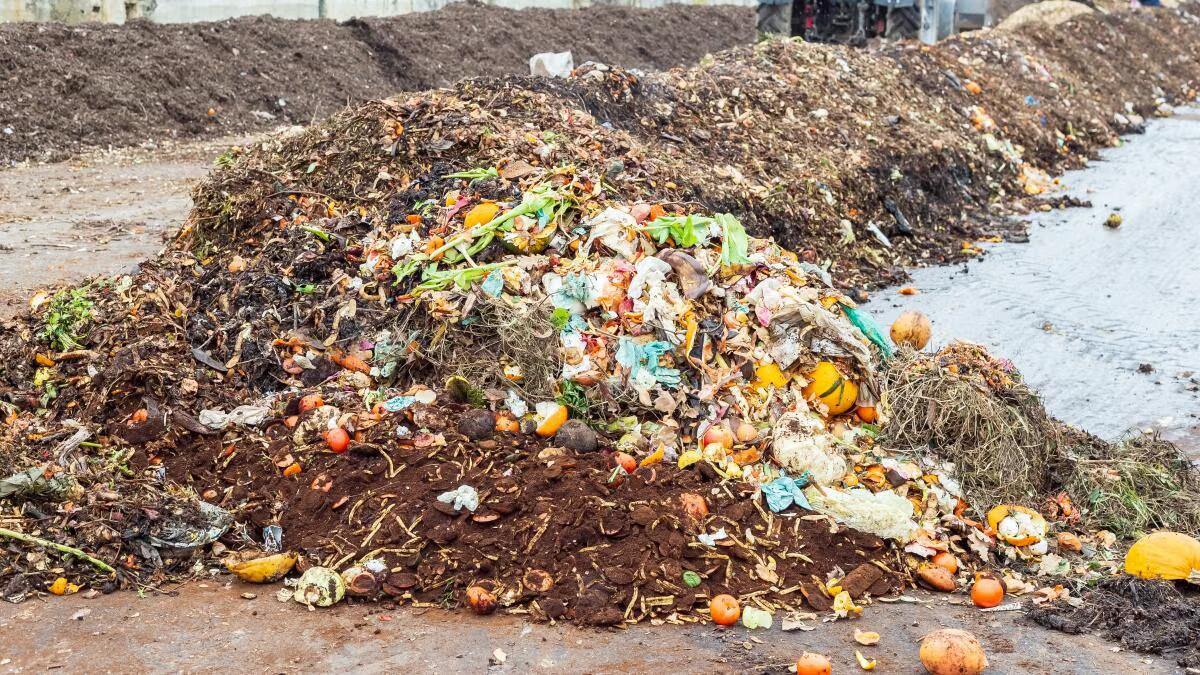
To outline a way to dispose of the increasing amount of the country’s rubbish by burying it in the soil and using a microbial bio-fertiliser to turn the rubbish into soil.
2. How to Turn Rubbish into Soil
The following instructions are for making enough soil for an area of 400 square metres using desert sand and about 1,200 tonnes of rubbish. The same model could be applied over much larger areas of land and used throughout the country to turn the desert into agricultural or habitable land.
Use earth-moving machinery to dig a hole 20 metres long x 20 metres wide x 20 metres high. The hole could, of course, be far larger, such as 100 metres x 100 metres x 20 (or more) metres. The depth can be greater, but the layers of rubbish and sand should stay about the same, as they make each layer of rubbish manageable for the micro-organisms to do their work of dissolving the rubbish. Having a metre of sand in each layer means that each metre of sand will become mixed with and enriched by the micro-organisms and organic matter in the layer of rubbish above and below.
Place thick plastic or rubber sheeting at the bottom of the hole to prevent water and moisture from seeping down into the ground below the hole.
Place a 2-metre layer of rubbish at the bottom of the hole. Spray Bio-Plant on the rubbish. The dosage should be at least 2 litres of Bio-Plant mixed with 1,000 litres of water per 100 tonnes of rubbish. If you use 3 or 4 litres per metre of rubbish with the same amount of water, the process will be faster as there will be more micro-organisms to dissolve the rubbish.
The rubbish does not have to be ground up, but it would be useful if it were.
Cover the 2 metres of rubbish with 1 metre of desert sand.
The purpose of adding the sand is to compress the lightweight rubbish and thereby increase the intensity of the activity of the micro-organisms. The microorganisms will turn the sand into soil. In addition, the sand helps to ensure that the ground does not sink rapidly as the rubbish is dissolved.
Cover the one metre of sand with 2 metres more of rubbish.
Spray Bio-Plant on top of the rubbish as before.
Cover the new layer of rubbish with 1 metre of sand.
Cover the new layer of sand with 2 metres more of rubbish, and spray Bio-Plant mixed with water on it at the same dosage as before.
Carry out this process 6 times (6 x 3 metres) altogether until the hole has been filled up to 2 metres from the surface with sand and rubbish.
Place thick plastic or rubber sheeting on top of the sixth layer of rubbish and sand. Cover this sheeting with 2 metres of good soil and plant a crop as normal.
The sheeting serves to prevent rain and water that is poured onto the crops in the 2 metres of soil from being lost.
The sheeting will also ensure that the moisture that the micro-organisms in the 18 metres below need to dissolve the rubbish does not disperse into the atmosphere.
Note: It is not necessary to recycle the rubbish for this process to work, but it would certainly be beneficial if the country implemented a large-scale programme of recycling rubbish so that the amount of metal, paper, rubber, plastic, and other recyclable materials does not have to be buried in the desert sand.
3. The Main Benefits and Effects
This is a solution to the constant increase in the amount of rubbish. The rubbish will be dissolved by the microorganisms of Bio-Plant. It can therefore be dealt with without polluting the environment, as happens in the usual ways in which rubbish is disposed of.
Vast areas of the desert can be turned into soil that can be used for agriculture.
The use of the Bio-Plant prevents the landfill area from smelling. Rubbish landfills usually smell badly.
As the rubbish is broken down by the micro-organisms, the level of the soil will sink, probably at the rate of about a metre per year. While the land will become good for agriculture, no buildings should be constructed on the land for about 5 years, while the rubbish dissolves and the land sinks.
The micro-organisms of Bio-Plant will solve the biggest problem associated with rubbish landfills, namely the production of Methane and Carbon Dioxide, which make up about 85%-90% of the gases released. The micro-organisms will dissolve the rubbish much more quickly than bacteria in normal landfills, and the amount of Methane and Carbon Dioxide produced will be much less. If crops are planted on the landfill, the plants will absorb much of the Carbon Dioxide that escapes and turn it into Oxygen, sugar, and starch, which plants and trees need for growth.
The process costs very little, especially when one considers the cost of other means of disposing of rubbish, such as rubbish incinerators.
To begin with, soil will have to be imported to act as the topsoil to cover the holes filled with rubbish and sand. But after about 5 years, you will be able to take the earth at a depth of 3-5 metres and use it as new topsoil elsewhere. Each year afterwards, you will be able to take soil from a deeper level and use that as topsoil somewhere else in the country.
As the process is implemented around the country, and the new land is used for crops and for planting forests, there will be fewer and fewer sandstorms.
Towns can be created in the current desert areas.
Golf courses can be laid out much more cheaply and easily.
Sandstorms will become a thing of the past.
Forests can be created, which will impact the climate positively.
4. Greening the Country
By applying Bio-Plant to the topsoil, the soil will become rich in micro-organisms, very fertile, and excellent for agriculture. With so much new soil created around the country, it would be senseless to ruin it all with chemical fertilisers. Bio-Plant and Pro-Plant enable farmers to reduce the costs of farming and to increase the yield significantly when compared to chemical fertilisers. Chemical farming, with all its negative health and environmental aspects, can be replaced by 100% organic farming for a much lower cost and with a higher yield. The farmers can get higher prices for their 100% organic produce and the country will become a major exporter of 100% organic food.