1. Project Overview and Strategic Rationale
Bear Machines East Africa Ltd. (BMEA) led by the Managing Director, Gary Stubley, is implementing an important 100% organic cocoa farming project, which will have long-lasting benefits for the economy of Kenya and the livelihoods of farmers in Kenya. BMEA is the Agent for Artemis & Angel Co. Ltd.
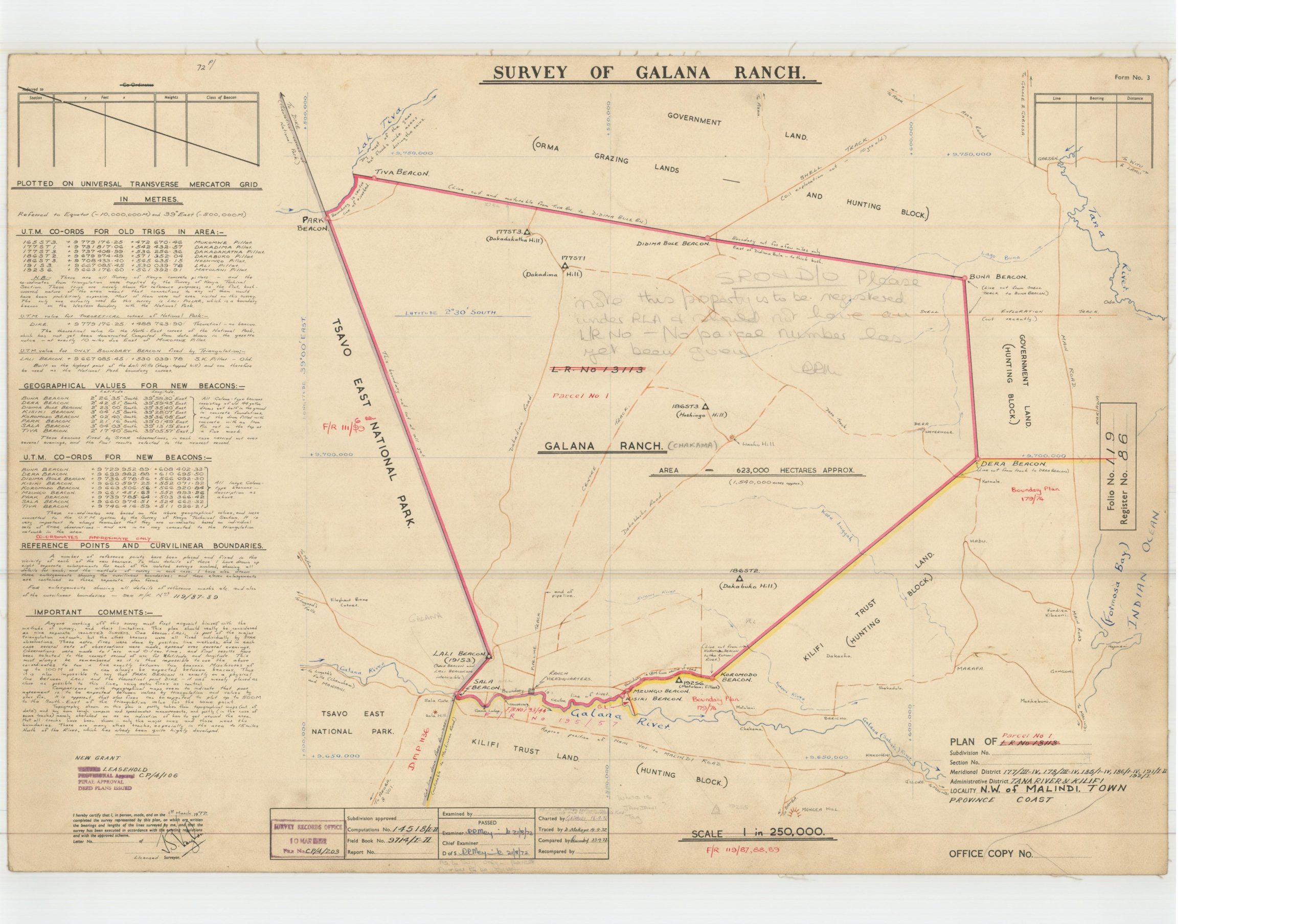
The goal for this 100% organic cocoa plantation project is 300,000 acres, starting with an area of 100,000 acres. It includes a cocoa processing factory in Kilifi County.
This ambitious initiative is strategically designed to cultivate a commercially viable, environmentally sustainable, and organically certified cocoa production system and create over 3,000 jobs across the cocoa value chain within Kilifi County. The project’s overarching objective is to target international export markets with 100% organic cocoa, capitalizing on growing global demand for sustainably sourced and organic products.
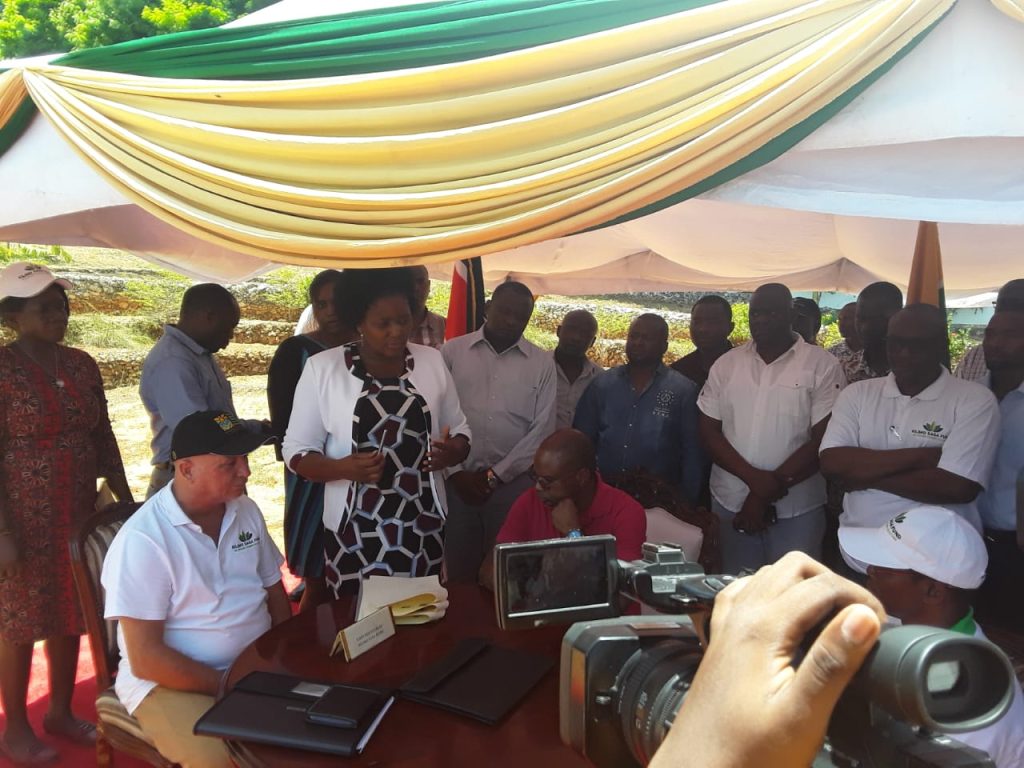
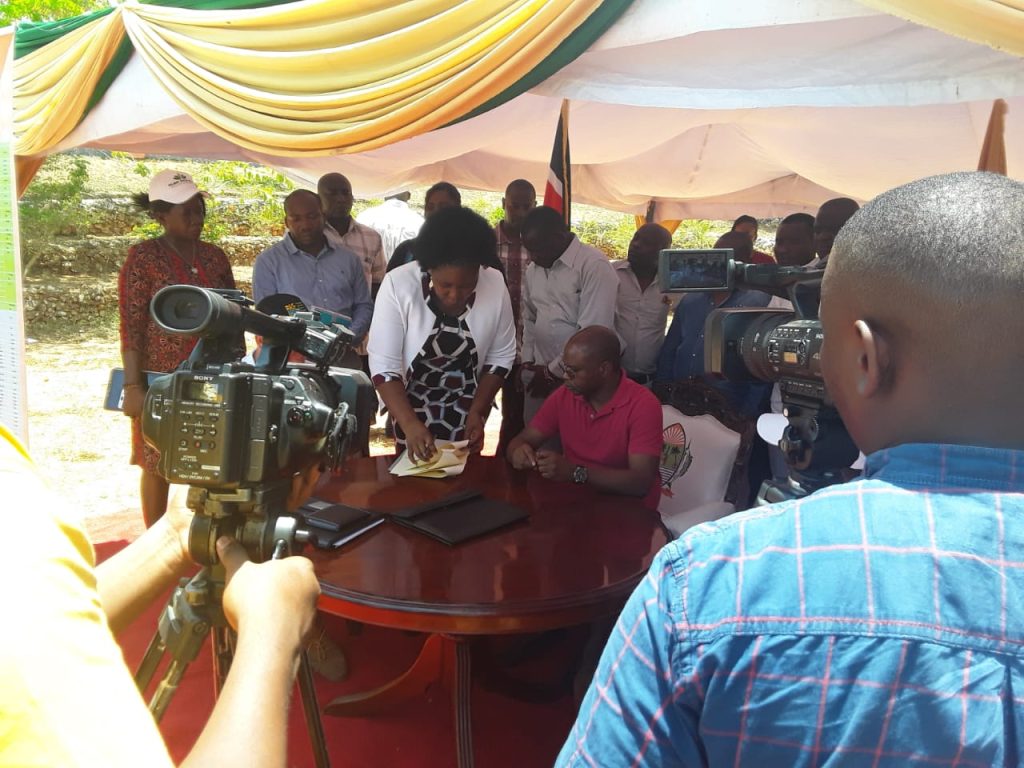
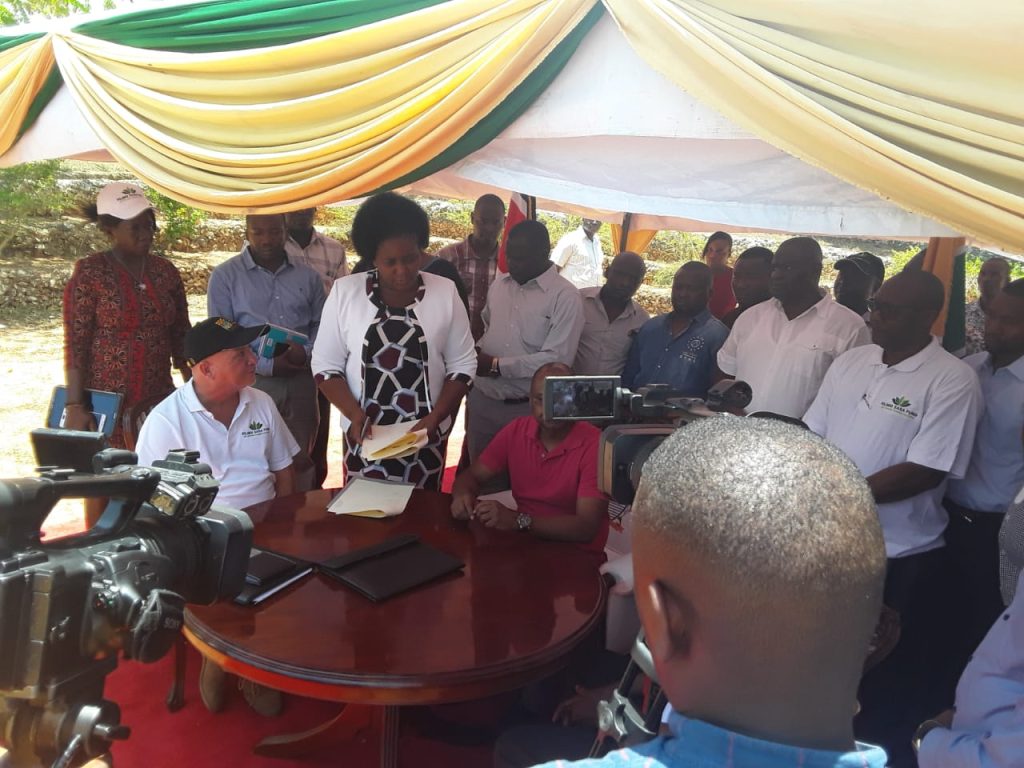
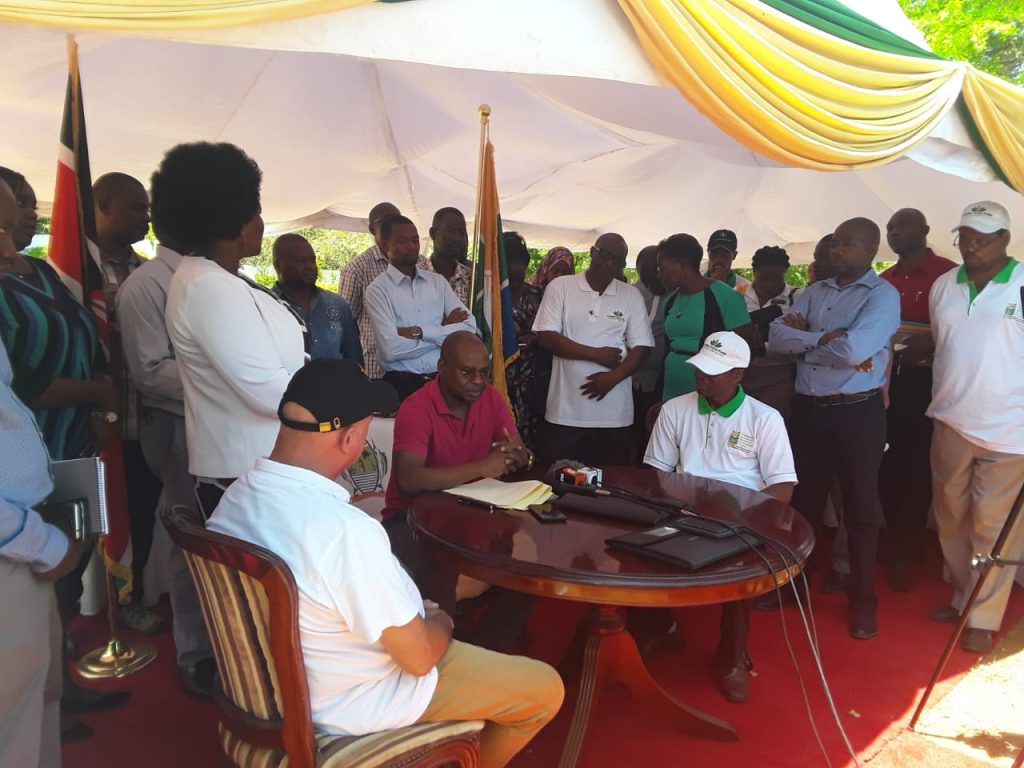
He has signed Memorandums of Understanding (MOUs) with local county governors to initiate commercial organic cocoa farming projects. In March 2019, Stubley signed an MOU with the Governor of Kilifi County, Kenya, to start commercial 100% organic cocoa farming under the project name “Cocoa for New and Sustainable Livelihoods (Consul)”. Additionally, he signed another MOU with the Governor of Busia County, Kenya, for a similar initiative.
Stubley’s efforts are part of a broader strategy to enhance agricultural productivity and sustainability in regions like Kilifi and Busia, leveraging the favorable climatic conditions and soil types for cocoa production.
While Kenya may not rank among Africa’s cocoa powerhouses like Côte d’Ivoire or Ghana, its small but growing cocoa industry presents intriguing opportunities for agricultural diversification and value addition.
With an annual output of approximately 1,000 metric tons, Kenya’s cocoa contribution to the global market is negligible – representing less than 0.1% of world production. But BMEA’s projects aim to increase this percentage significantly, starting with 50,000 acres in Kilifi County supported by an international investment of about US$170 million. Once the cocoa trees start to yield in Year 4 the annual revenue will be around US$255 million.
In addition, the project will help Kenya’s cocoa sector to deal with systemic challenges that have constrained its growth. The most pressing issue is the near-total lack of domestic processing capacity, forcing farmers to sell unprocessed beans at prices determined by middlemen. The BMEA project includes the processing of organic cocoa beans into organic cocoa products, such as organic chocolate for which there is a massive global demand.
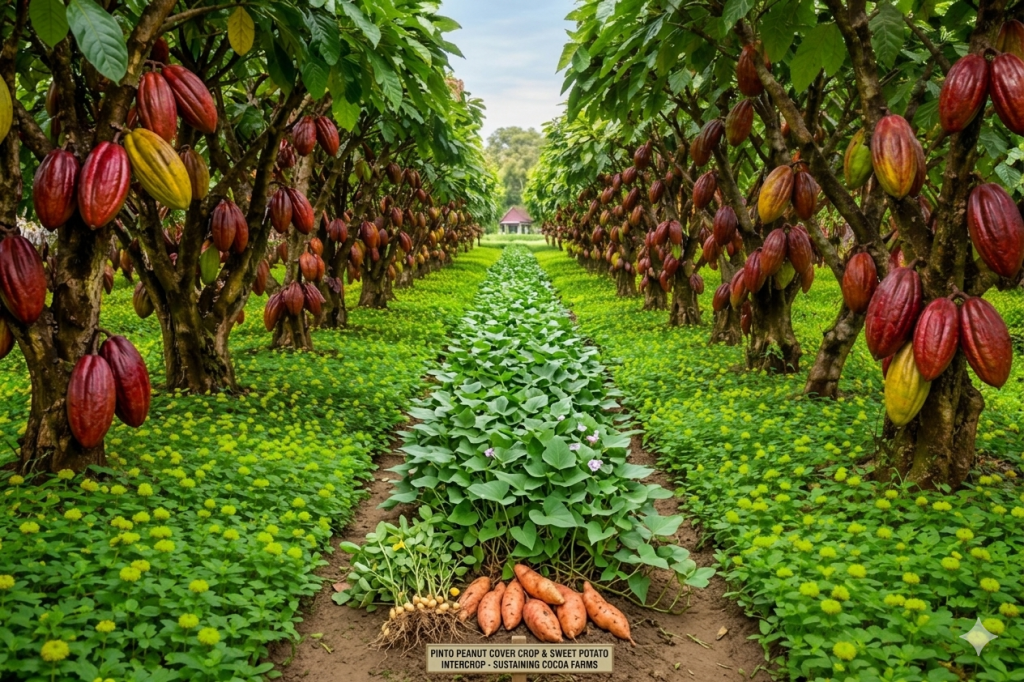
The project will also teach the cocoa farmers knowledge and techniques that will increase the usual yield of 300-400 kg per hectare, compared to 1,000+ kg in optimized West African plantations. They will learn how to grow 100% organic cocoa and other crops with two liquid 100% organic bio-fertilisers from Thailand that are made with advanced biotechnology, and which restore the soil food web, and provide an abundance of nutrients and natural disease protection without any chemicals.
The project will be irrigated, mechanized, and supported by AI and drone and UAV technology.
The drones will be able to detect early signs of diseases before they spread. AI systems will assist in predicting crop health, recommending optimal organic bio-fertiliser application and irrigation schedules.
Furthermore, big data analytics will integrate soil, weather, drone, and market data to enhance strategic planning, traceability, and supply chain efficiency, with blockchain technology increasingly supporting transparency.
The plantation area will extend down the coast and include several other counties. Each county will benefit from local employment and revenue. The project is, therefore, essentially a national development project.
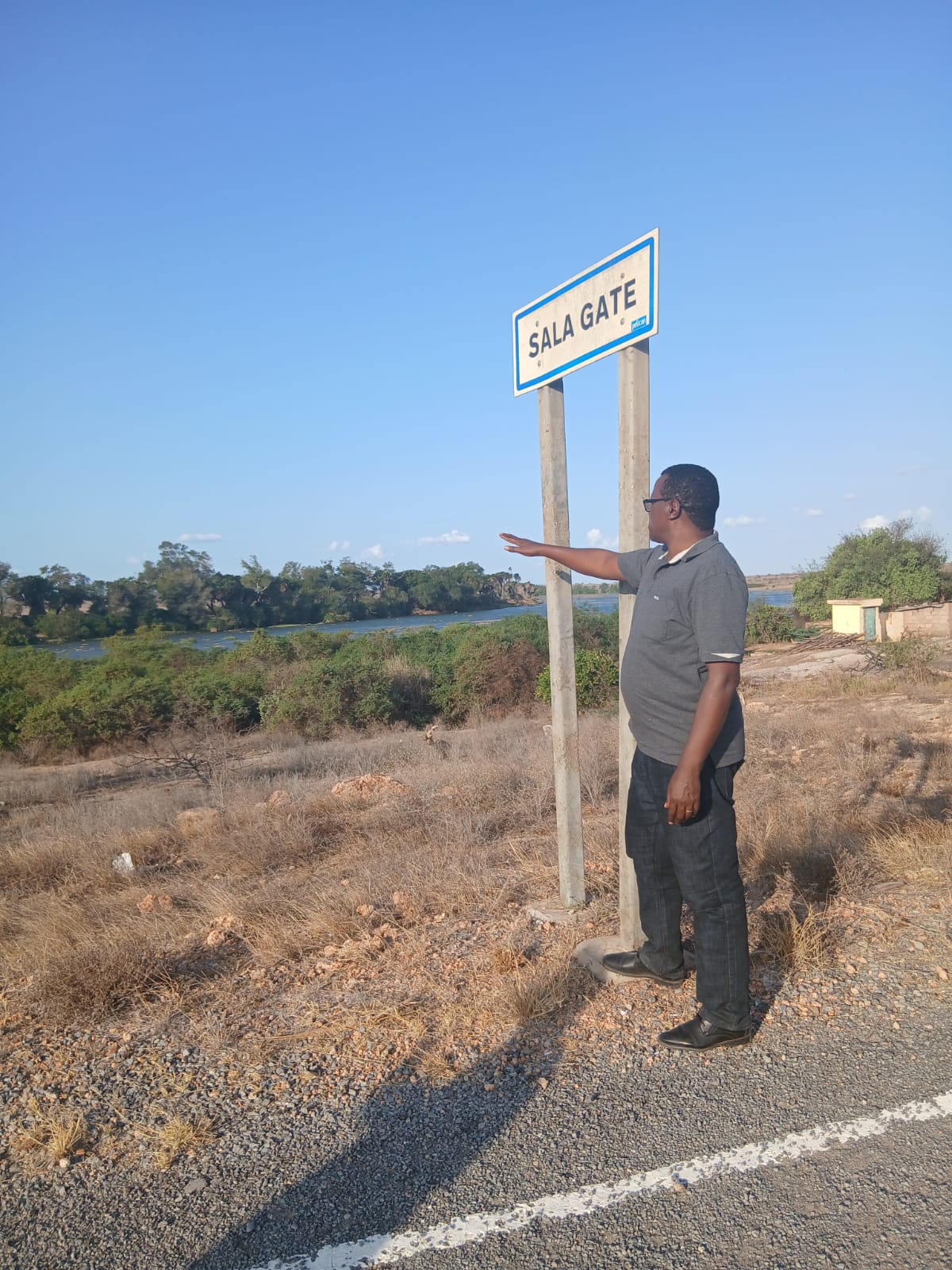
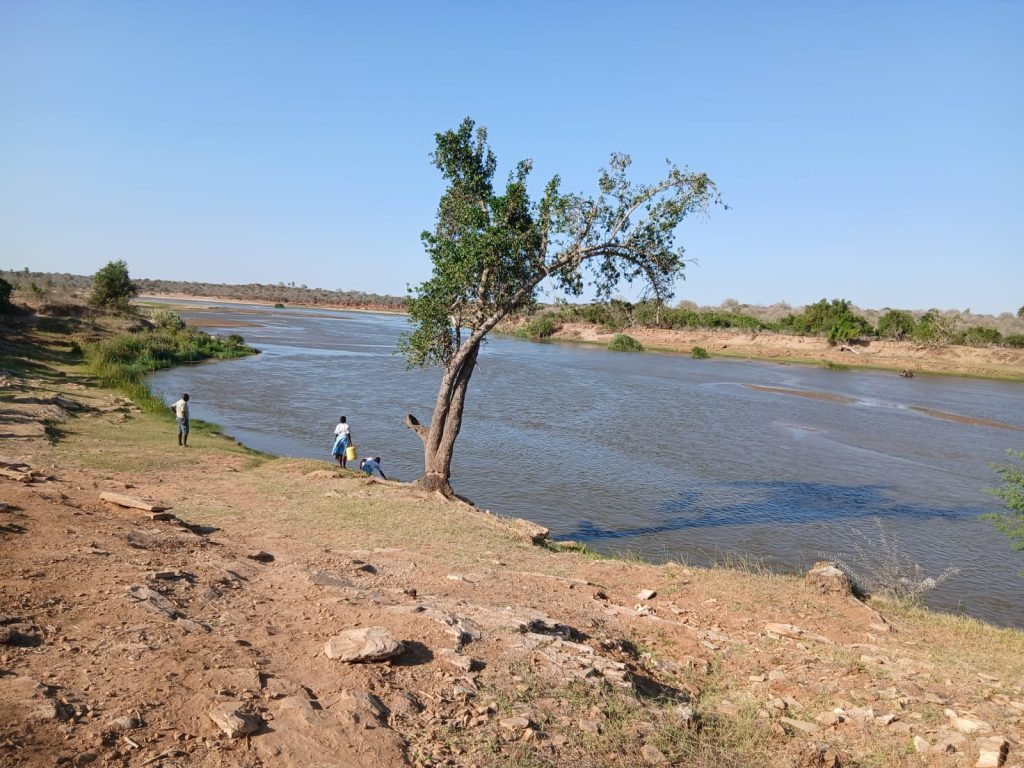
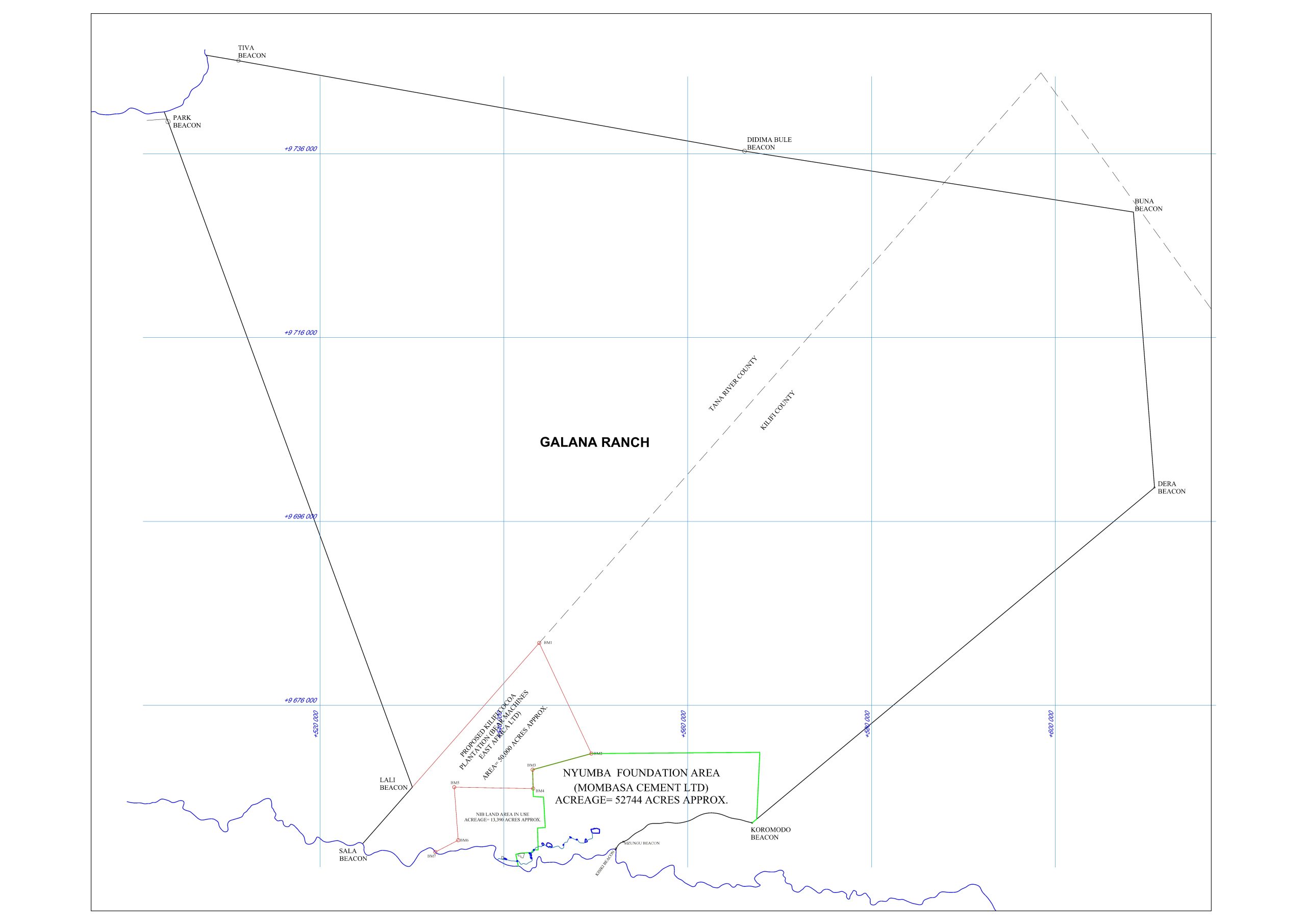
The chosen location for the initial 100,000 acres is the Sabaki River area of Magarini Sub-County, Kilifi County, which presents highly favorable conditions for 100% organic Forastero cocoa cultivation. This suitability is underpinned by a conducive tropical climate, characterized by optimal temperatures and sufficient rainfall, and appropriate sandy loam soils that offer good drainage and aeration.
The project’s commitment to organic certification is further strengthened by the planned use of Bio-Plant and Pro-Plant, which are 100% organic, liquid bio-fertilisers made by Artemis & Angel Co. Ltd. in Thailand. They actively address soil health and nutrient limitations inherent in the region.
2. The Key Project Components Included
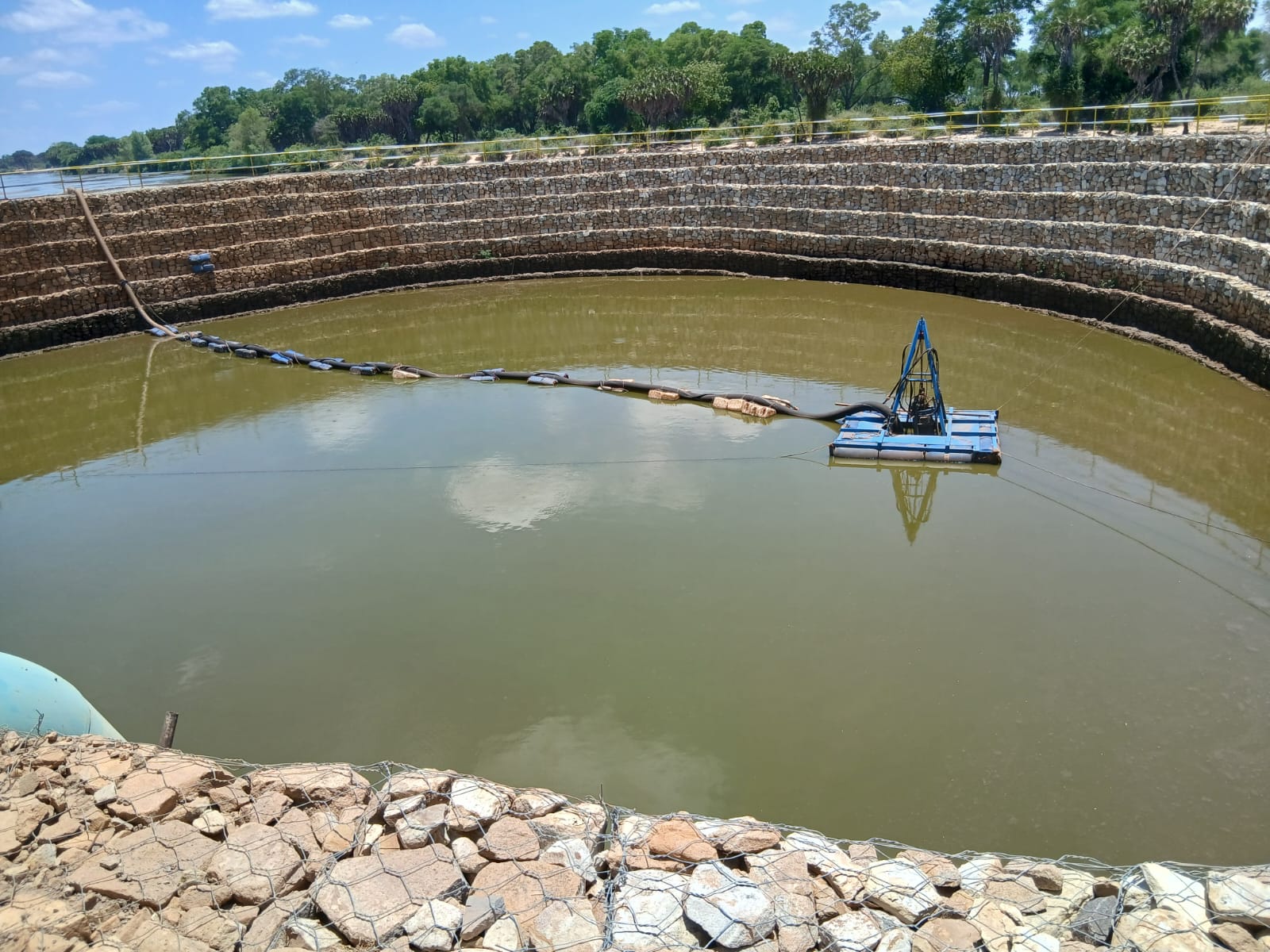
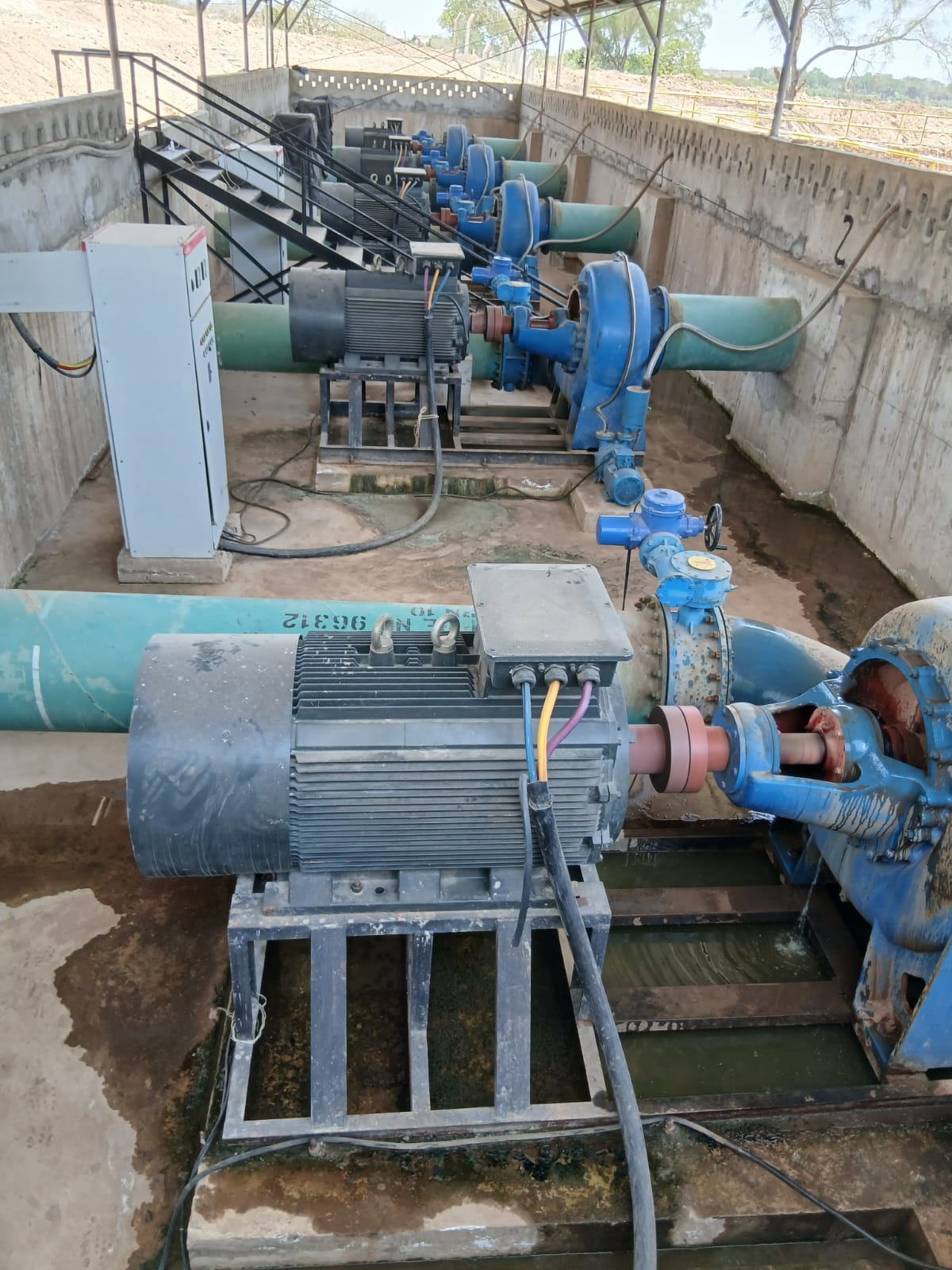
Implementing a phased development model to optimize capital expenditure and manage operational complexities.Prioritizing comprehensive soil and water quality management, including advanced drip irrigation and salinity mitigation.Establishing a large-scale, in-house nursery and state-of-the-art processing facilities to ensure quality control and capture value.Adopting proactive, ecologically balanced organic pest and disease management protocols.Providing training for cocoa farmers.Securing long-term offtake agreements with international buyers by leveraging organic certification and traceability. Conducting thorough due diligence across all project facets, particularly legal, environmental, and social compliance.
3. High-Level Investment Requirements and Financial Projections
The initial financial projections indicate a total required investment of approximately US$170 million over the first four years of the establishment period. This capital will fund critical phases including farm equipment, irrigation infrastructure, land preparation, seedling procurement, growing the seedlings and cocoa trees, and initial operating expenses.Credit Fund for the purchase of the 100% organic, liquid bio-fertilisers for the cocoa plantations. Amount: US$25-30 million per year. Period: 4 or 5 years.
Note: Please Click Here for more details about the project.