The Results
1. Soil Sponginess: The most immediate observation was the change in soil texture. The microbial colonies promoted by Bio-Plant increased the organic matter content, turning the soil into a literal sponge. Even with 30-40% less rainfall than the historical average, the soil retained enough moisture to keep the trees metabolically active.
2. Extended Transpiration: Because the trees were supported by a root system colonized by beneficial microbes, they were able to continue nutrient uptake even when soil moisture was low. The “biological pump” of the microbes facilitated the movement of nutrients into the tree, allowing the trees to keep their stomata open for longer during the day compared to chemically fertilized control groups.
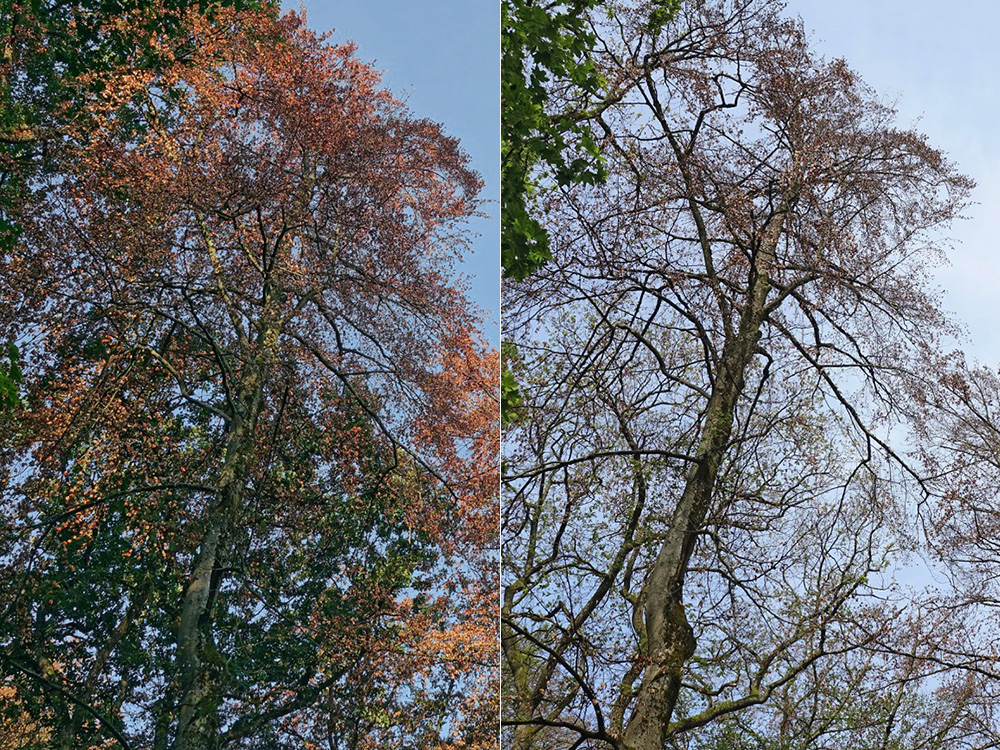
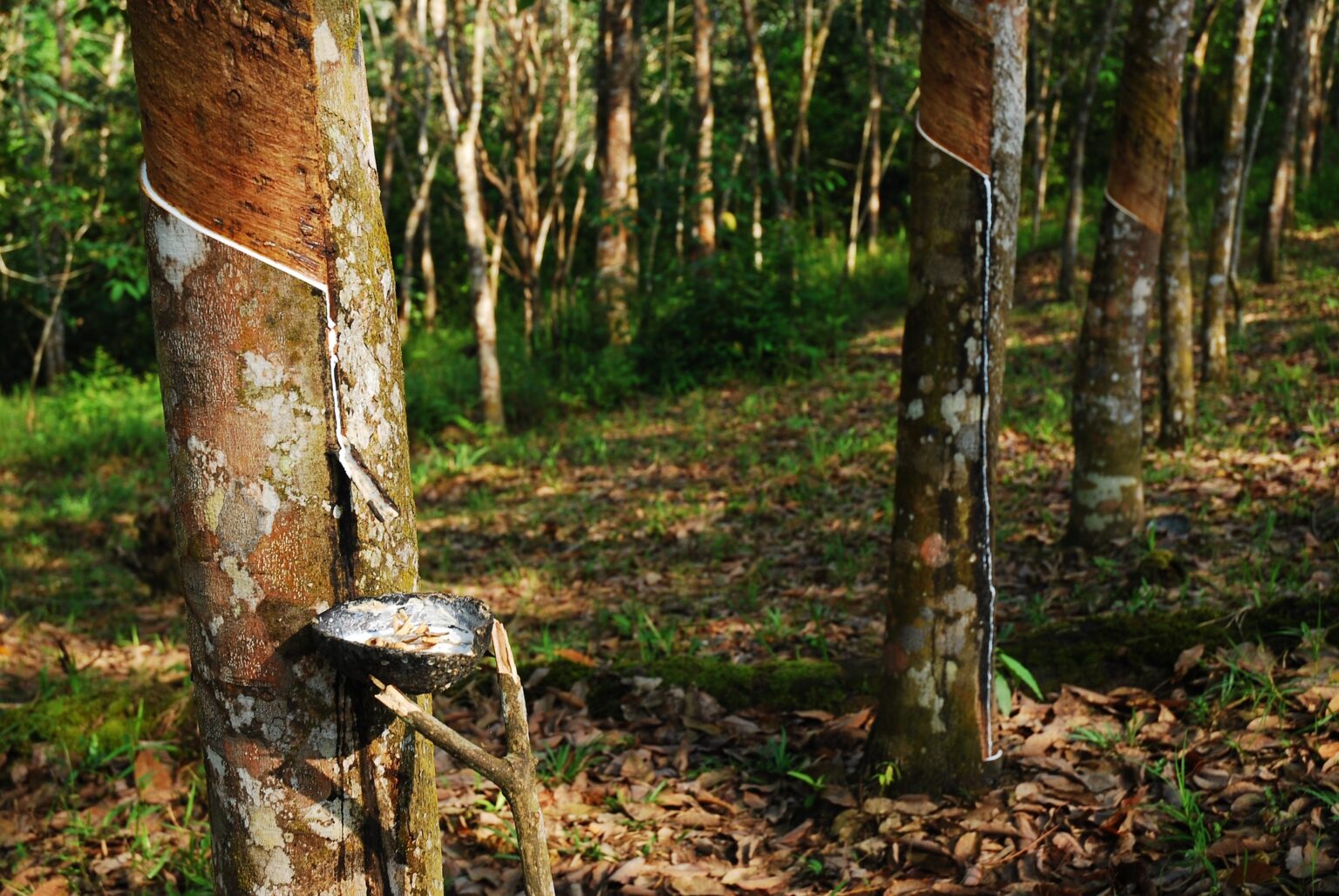
3. Latex Yield Maintenance: In the monitored section, while neighbouring plantations saw a drop in latex production of nearly 30%, our test site saw a decline of only 5-8%. The trees remained green, the canopy stayed full, and the DRC remained stable.
Why This Matters for Your Bottom Line
The economic reality of rubber farming is that margins are tight. You cannot control the price of rubber, and you certainly cannot control the El Niño rainfall patterns. However, you can control the internal resilience of your plantation.
This case study proves that the health of your trees is directly tied to the health of the soil microbiome. When you provide your trees with the biological tools to manage stress—better root exploration, efficient nutrient cycling, and protective biofilms—you build a buffer.
If you are a rubber grower, you are likely looking for a way to safeguard your investment against the next inevitable heatwave. The transition to biological fertility is not just an environmental choice; it is a financial one. By moving to Bio-Plant and Pro-Plant, you aren’t just farming for today; you are building an orchard that is tough enough to withstand the changing climate and productive enough to ensure your prosperity.
Don’t wait for the drought to damage your trees. The time to build resilience is now.
 admin
admin