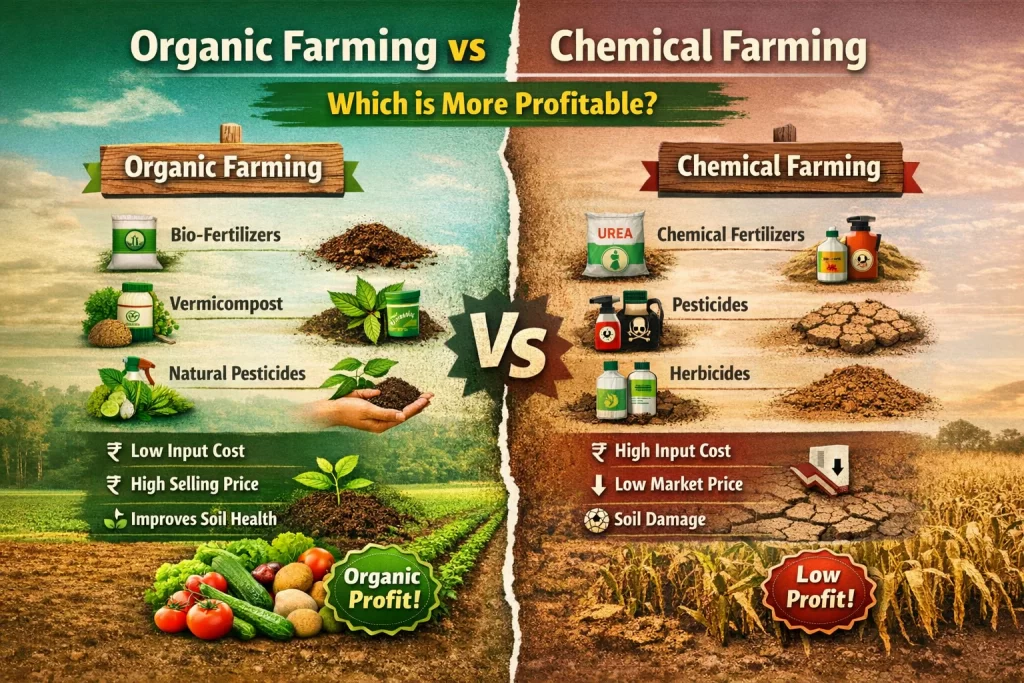
There is a grim conversation happening in agricultural circles worldwide: the rising tide of operational costs. Energy prices are climbing, transportation costs for fertilizers are volatile, and the price of synthetic pesticides seems to only go up. For the average farmer, these inputs have become the “silent killers” of profitability. You work harder, produce more, and yet, the margins seem to shrink year after year as you feed more money into the corporate chemical supply chain.
For many, the transition to organic or regenerative farming is viewed as a “luxury”—something that requires more labour, lower yields, and a sacrifice of profit for the sake of the environment.
We are here to tell you that this perspective is not just outdated; it is an economic trap. Switching to a biological, regenerative model with Artemis & Angel is not a sacrifice; it is a direct path to Instant Cost Relief.
The Synthetic Debt Spiral
To understand the economic relief, you must first understand what you are paying for when you buy conventional fertilizer. You are paying for the manufacturing, the shipping of heavy, low-density materials, the storage, and the markup of multiple middlemen.
More importantly, you are paying for the consequences of using them. When you apply synthetic fertilizer, you are damaging the soil. You are killing the microbes that do the work for free. Because the soil is now “dead,” it can no longer support the plant. So, you have to buy more fertilizer to get the same yield. Then, because the plant is weak, you have to buy pesticides to protect it. It is a cycle of dependency where you are paying every single season to repair the damage caused by the last season’s application.
 admin
admin