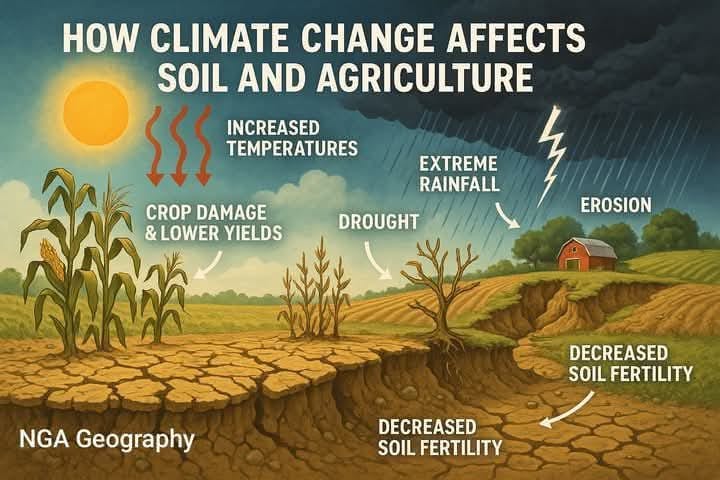
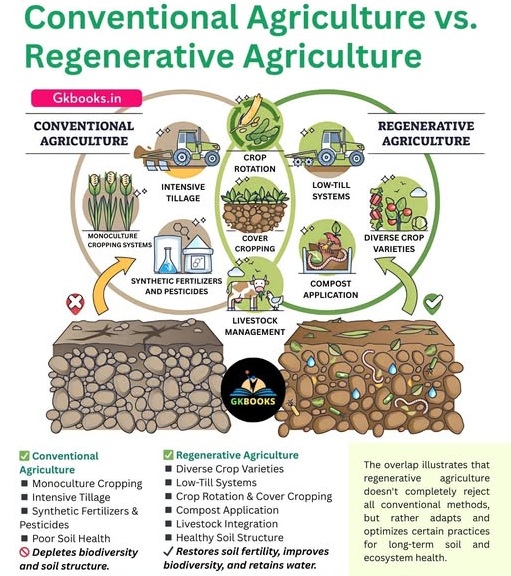
For the past several decades, the global agricultural model has operated on a philosophy of “extraction.” We treat soil as a sterile substrate—a dead, physical medium whose only purpose is to anchor the plant while we artificially pump it full of chemical inputs to force growth. We call this “conventional farming,” but if we are being honest, it is a depletion strategy. We are essentially mining the soil of its life, its carbon, and its structural integrity. Every harvest removes nutrients, and every heavy-handed application of synthetic fertilizer, pesticide, and herbicide further degrades the biological architecture that makes soil fertile in the first place.
In Thailand, a country blessed with immense biodiversity and a rich agricultural history, this model is reaching a dangerous breaking point. Soil fertility is dropping across the country, input costs for synthetic fertilizers are spiralling, and the environmental cost of chemical runoff into our waterways is becoming impossible to ignore.
The Shift: Moving Beyond Sustainability
The term “sustainability” has been used to death, often without much substance. Sustainability implies maintaining the status quo—keeping things exactly as they are. But given the current state of soil degradation, maintaining the status quo is a losing game. We don’t just need to sustain our soil; we need to regenerate it.
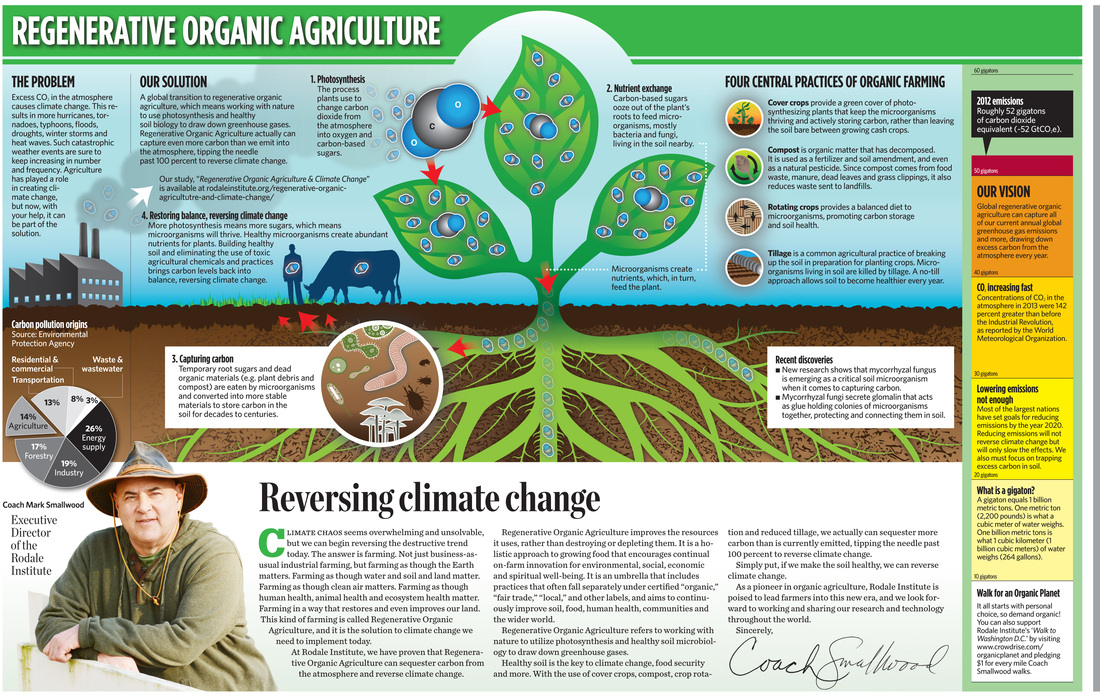
Regenerative agriculture is the paradigm shift that moves us from an extractive mindset to a restorative one. It is not about abandoning modern technology; it is about using science to work with nature rather than against it. Regenerative agriculture focuses on restoring the soil’s natural cycle. In a healthy, regenerative system, biology does the heavy lifting, not chemistry.
 admin
admin